News You Can Use: News items from external sources that might be useful to MDSR residents.
End of Steel Museum in Hines Creek
Discover the End of Steel Museum
Bringing the homesteading history of Hines Creek to life.
Our second Summer Bus Tour will be on Friday, July 3rd where we will be taking you to Hines Creek to check out the End of Steel Museum.
Since opening its doors in 1985, the End of Steel Museum has been preserving and sharing the rich homesteading history of the Hines Creek area. The museum’s name reflects the community’s unique origins as the end of the railway line, where tracks stopped because extending them farther would have increased freight rates. This decision led to the relocation of the village from its original site on Hines Creek to its present location. With the arrival of the first train in December 1930, Hines Creek became an important transportation hub, eventually boasting five grain elevators along the railway.
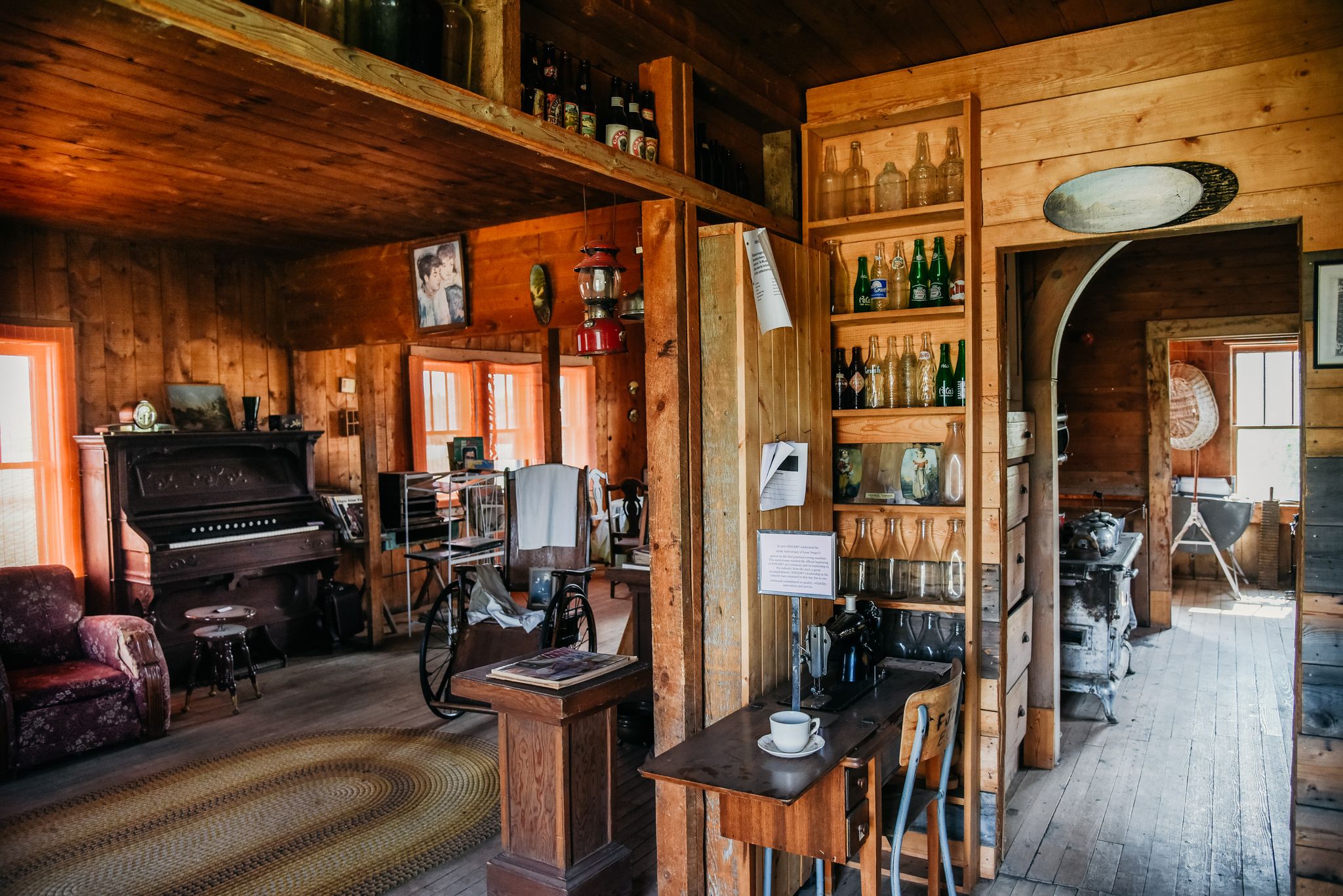
Visitors can step back in time through several historic buildings that showcase pioneer life. The Pohaboff House (1928) represents the small hand-hewn log homes built by many immigrant settlers. The Carter House (1938), constructed during the Great Depression, stands out for its size and craftsmanship, while the French “Half-House” (1948–49) tells the story of a dream left unfinished due to financial hardship. Each home is furnished with period artifacts that create the feeling that the original occupants may return at any moment.
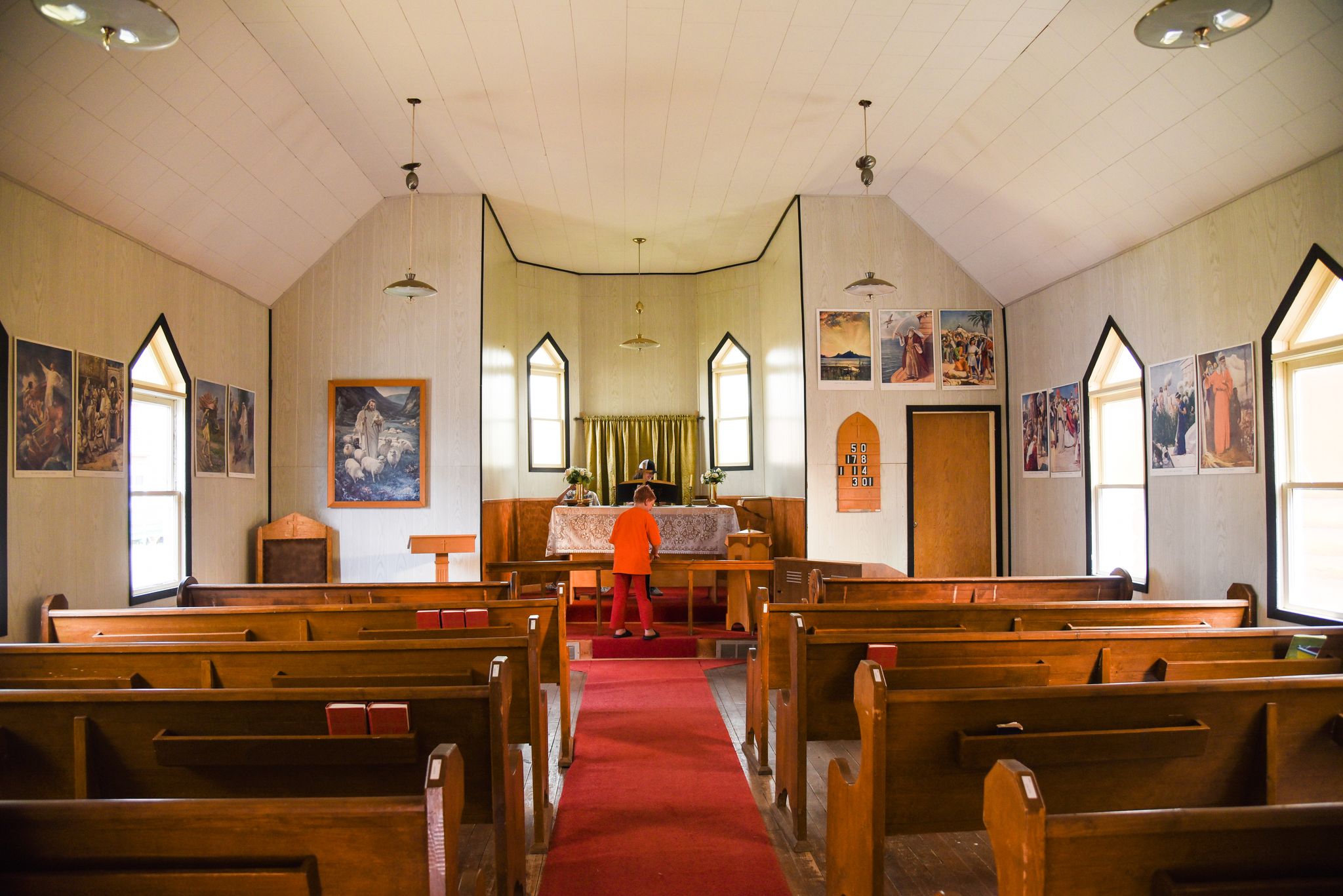
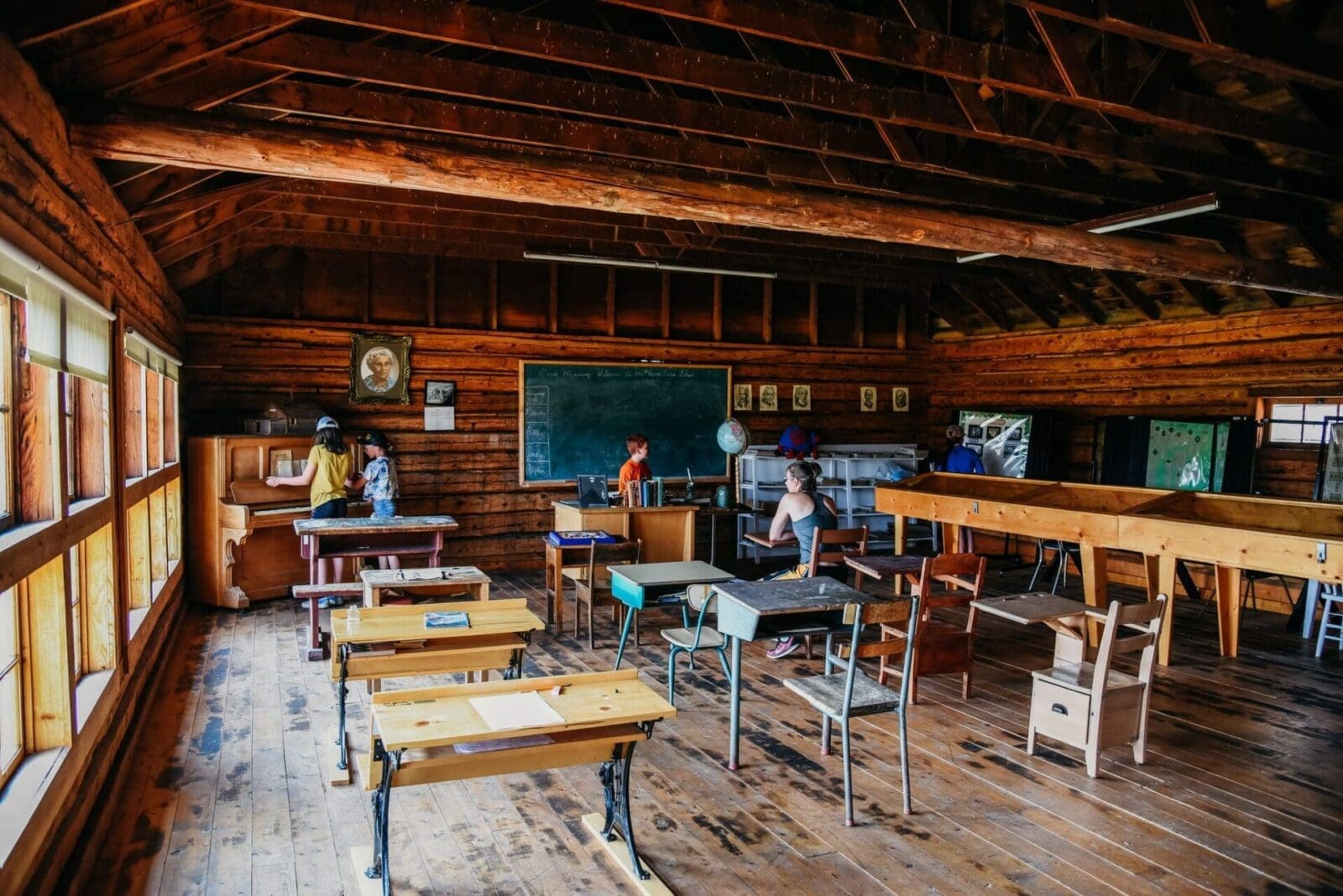
The museum also features the one-room Hines Creek School #4430, where visitors can imagine the challenges of rural education, and two historic churches: Christ Lutheran Church, built between 1928 and 1932 and restored by descendants of its original builders, and St. James Anglican Church, erected in 1938 through the generosity of supporters in Stratford, Ontario.
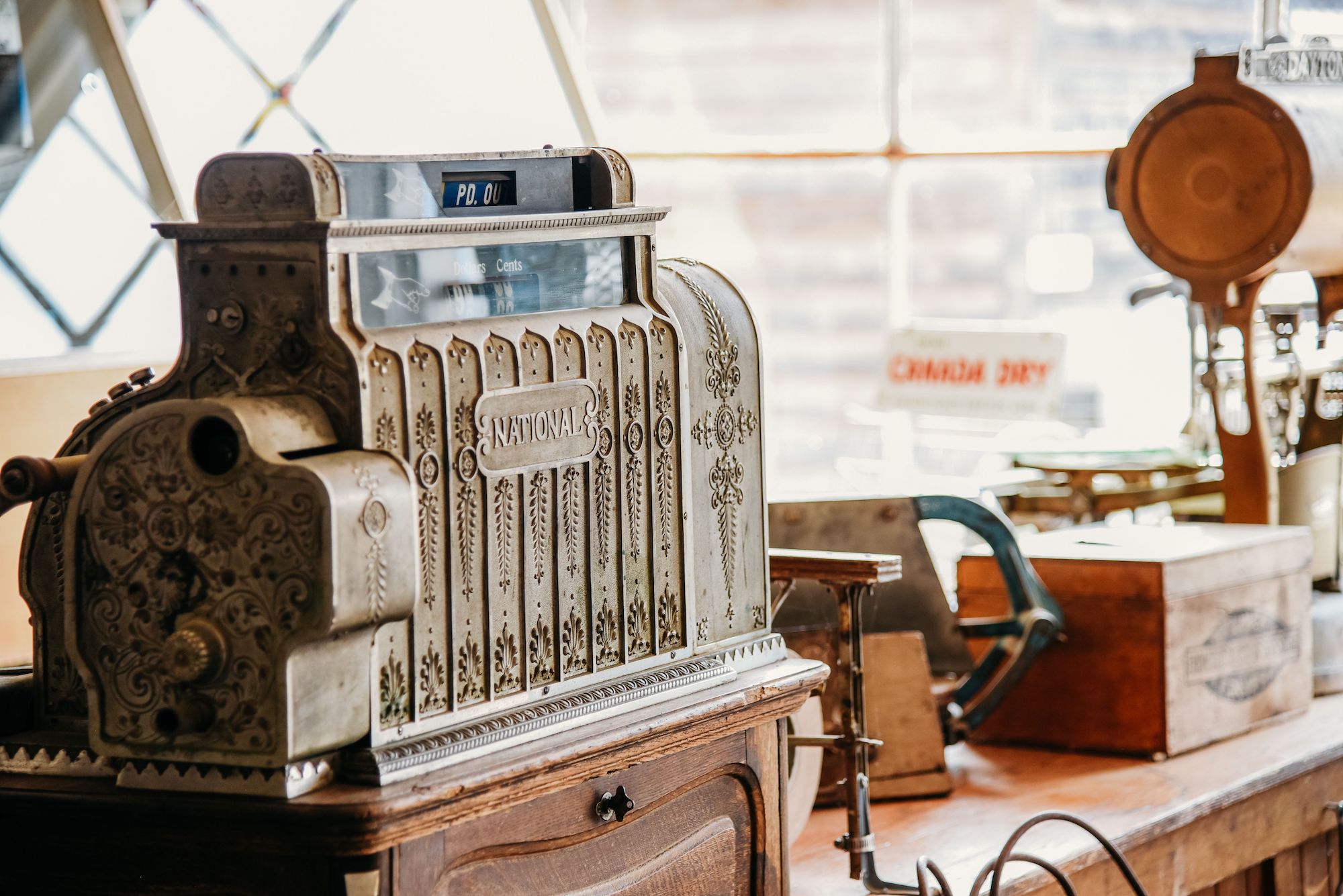
Other highlights include a traditional trapper’s cabin, a 1949 railway caboose that served as a home and office for rail workers, and Morgan’s Confectionery, a beloved local business that evolved from a clothing store into a community gathering place.
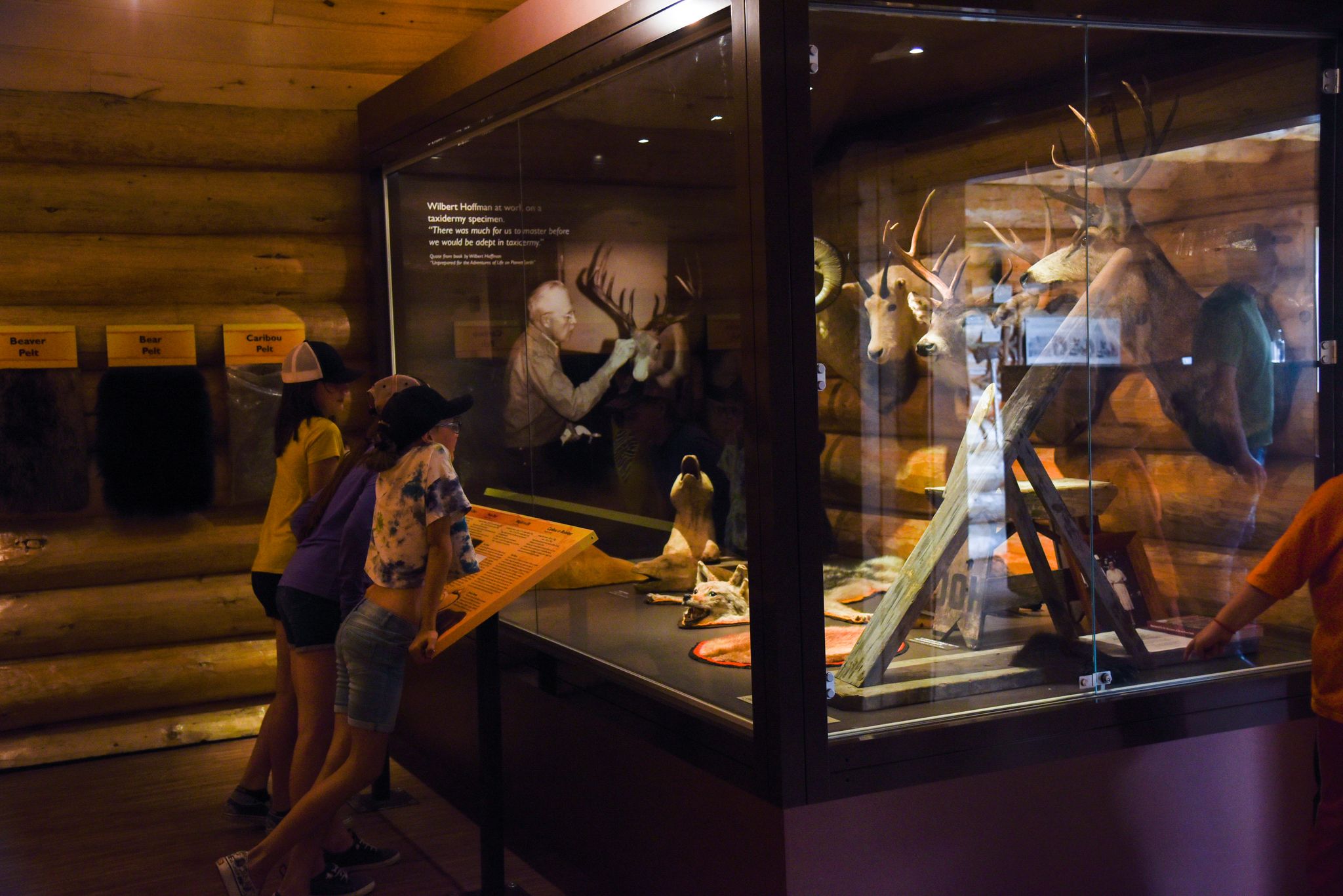
The Wildlife and Forestry Building houses impressive displays of local wildlife, forestry tools, and early chainsaws, while the museum grounds feature a large collection of agricultural machinery, tractors, vehicles, and a Bombardier Nodwell tracked vehicle. Current projects include a Ukrainian Heritage building and a working blacksmith shop.
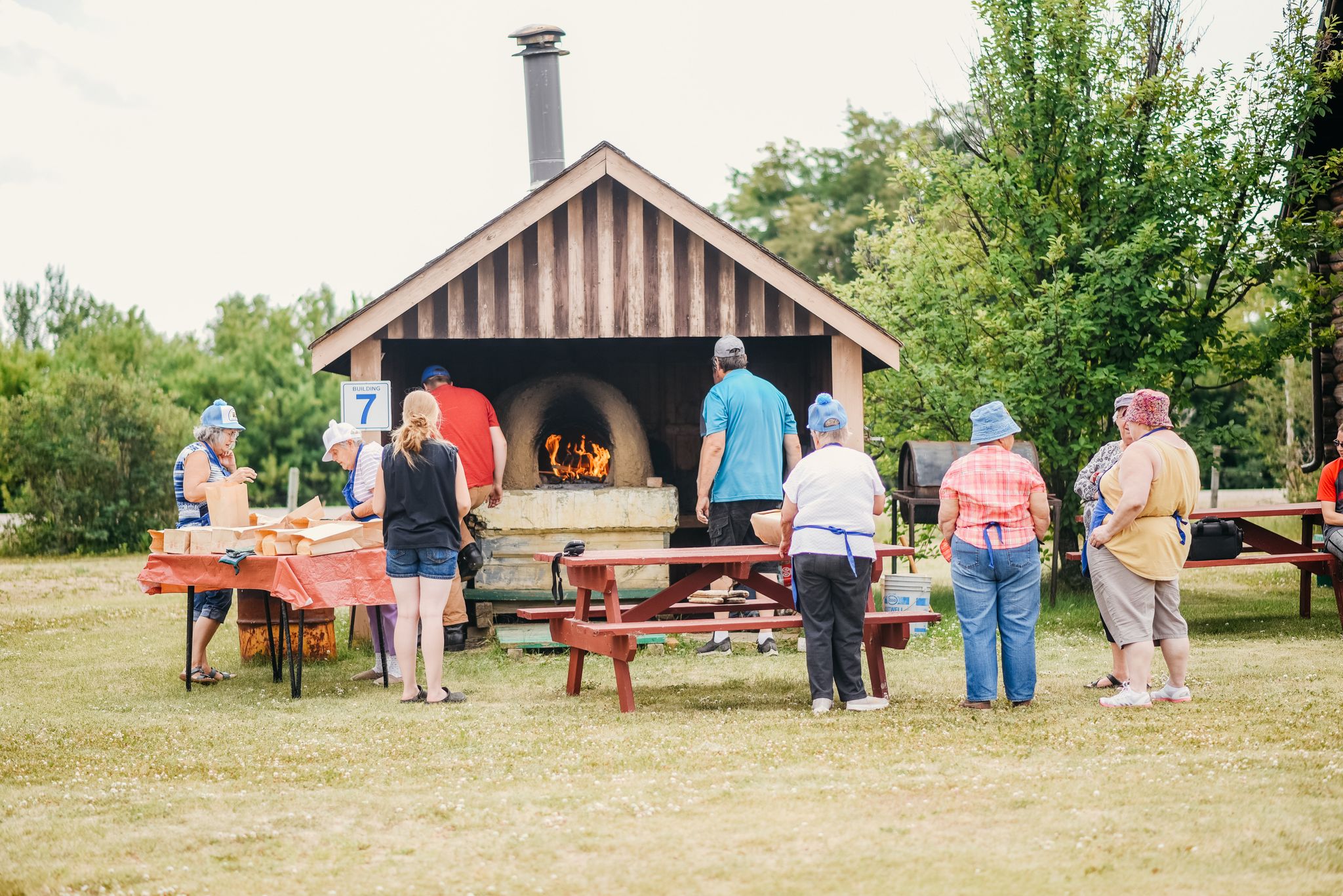
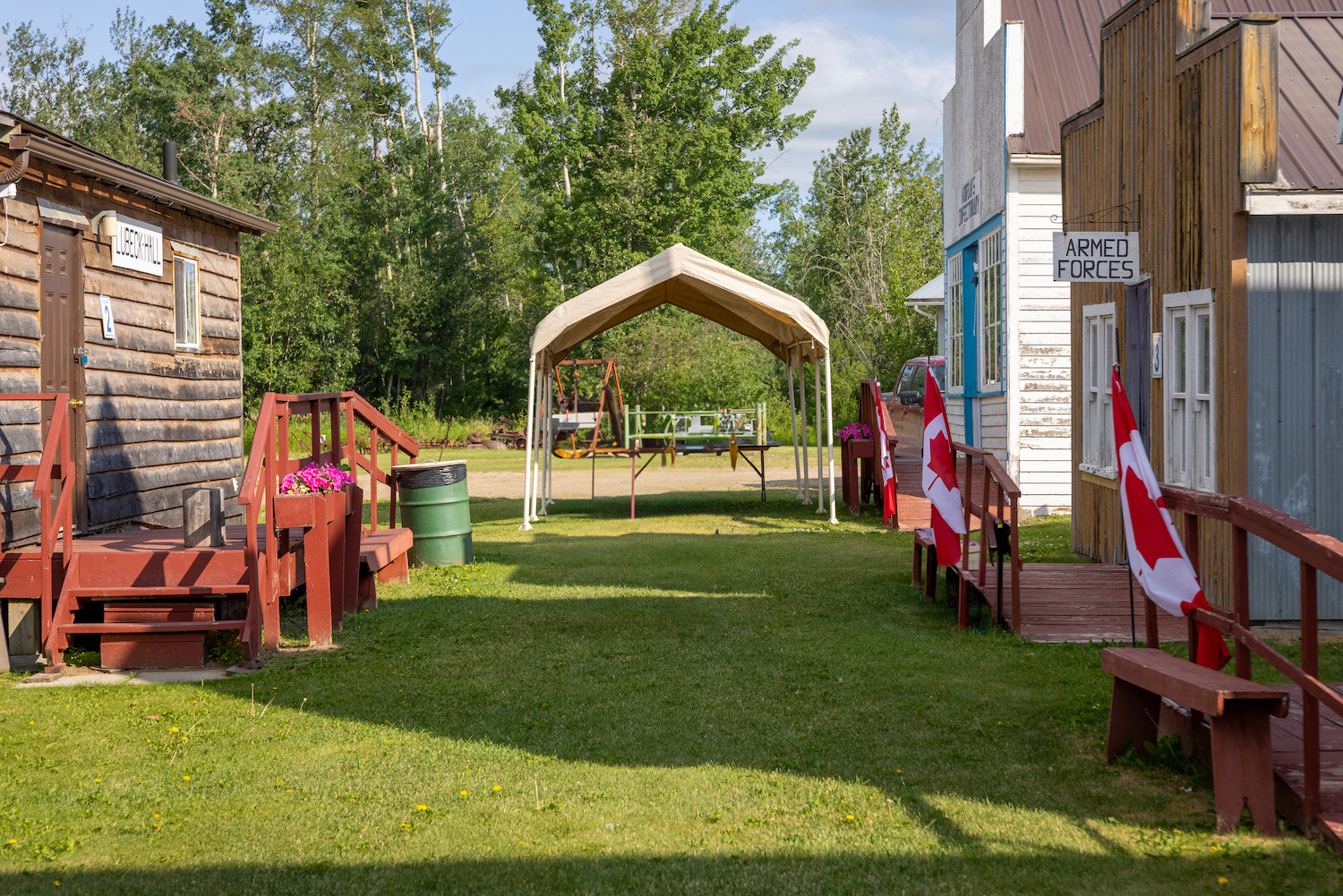
Lubeck Hall, a classic rural community hall, continues to bring people together today as the home of the popular Saturday Farmers’ Market, where visitors can enjoy fresh baking, coffee, and conversation while experiencing the enduring community spirit that helped build the region.
Click on 2026 Summer Bus Tours to access the full schedule.