
News You Can Use: News items from external sources that might be useful to MDSR residents.
Girouxville: A Hub of Pioneer History, Faith, and Pilgrimage
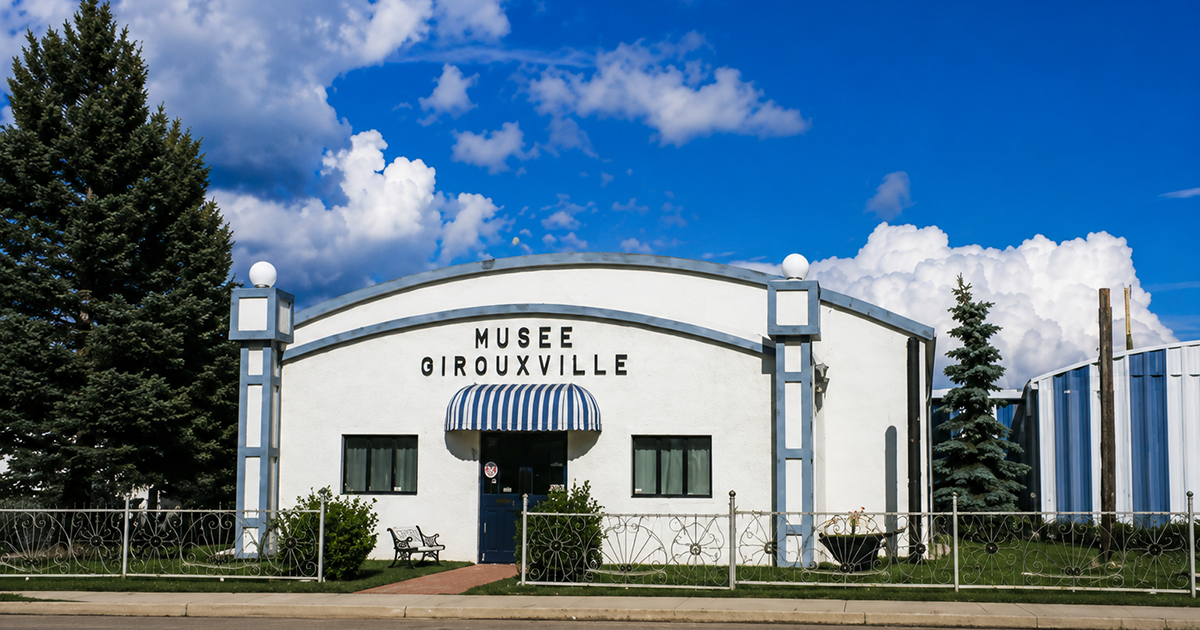
Next stop on our 2026 Summer Bus Tour is on July 24th where we will be heading to Girouxville to visit their museum, the Catholic Pilgrimage site, and the Stations of the Cross at Notre Dame de Lourdes.
Nestled in the Smoky River Region of northern Alberta, the small francophone village of Girouxville (population around 278) preserves a rich tapestry of pioneer life, missionary heritage, and Catholic devotion. At its heart stand two closely linked attractions: the Girouxville Museum and the adjacent Catholic pilgrimage site centered on the Notre Dame de Lourdes Church and Grotto. Together with outdoor Stations of the Cross, these sites offer visitors a poignant glimpse into the French-Canadian settler experience and enduring spiritual traditions in the Peace Country.
The Girouxville Museum: Preserving Pioneer and Missionary Legacy
The Musée Girouxville Museum, located at 5015-50th Street on the village’s main street, opened its doors in 1969. It was the vision and dedicated work of Father Clément Desrochers, O.M.I. (1910–2003), an Oblate missionary, historian, and community pillar who recognized the rapid loss of artifacts from the region’s early settlement days.
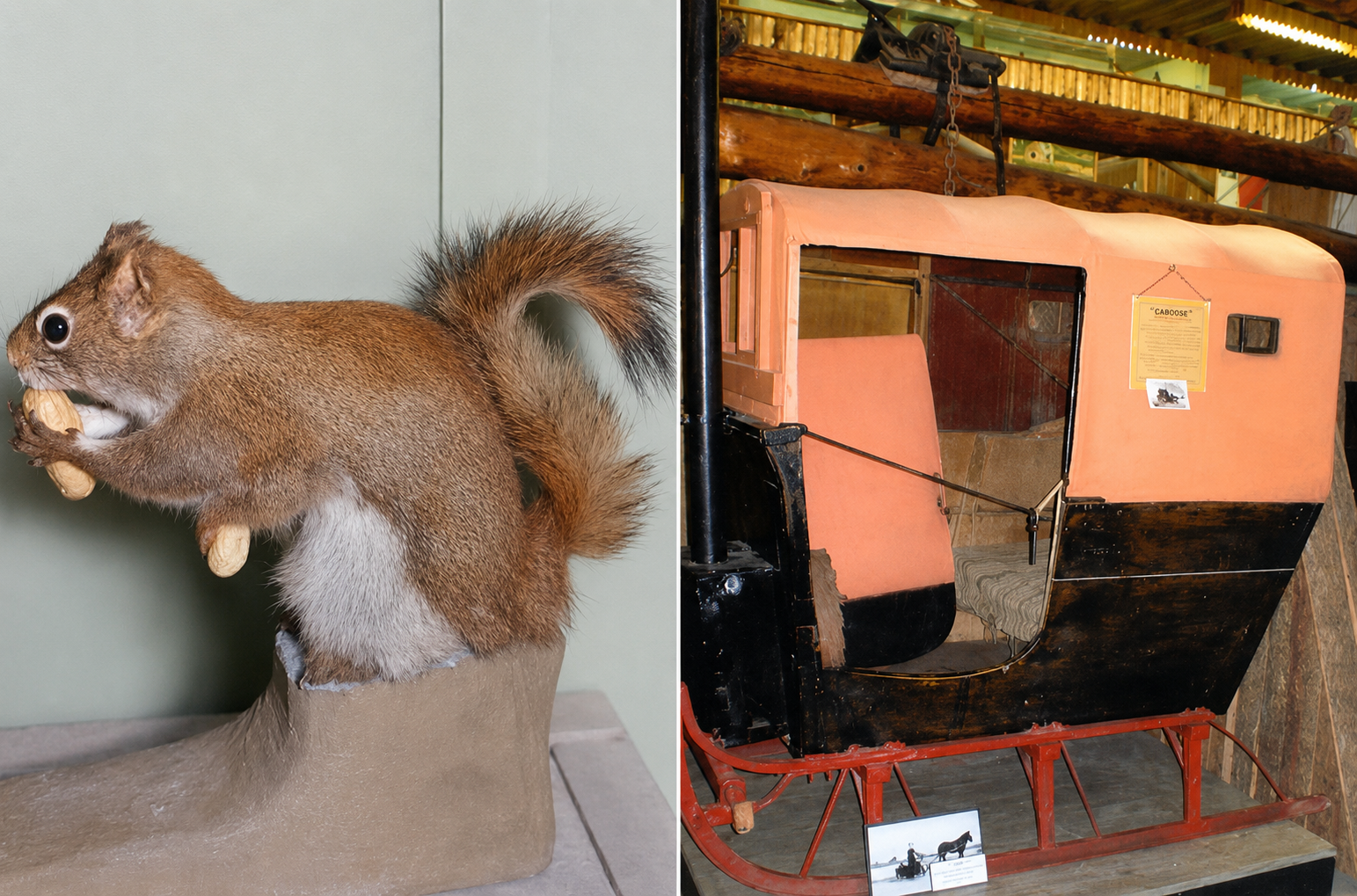
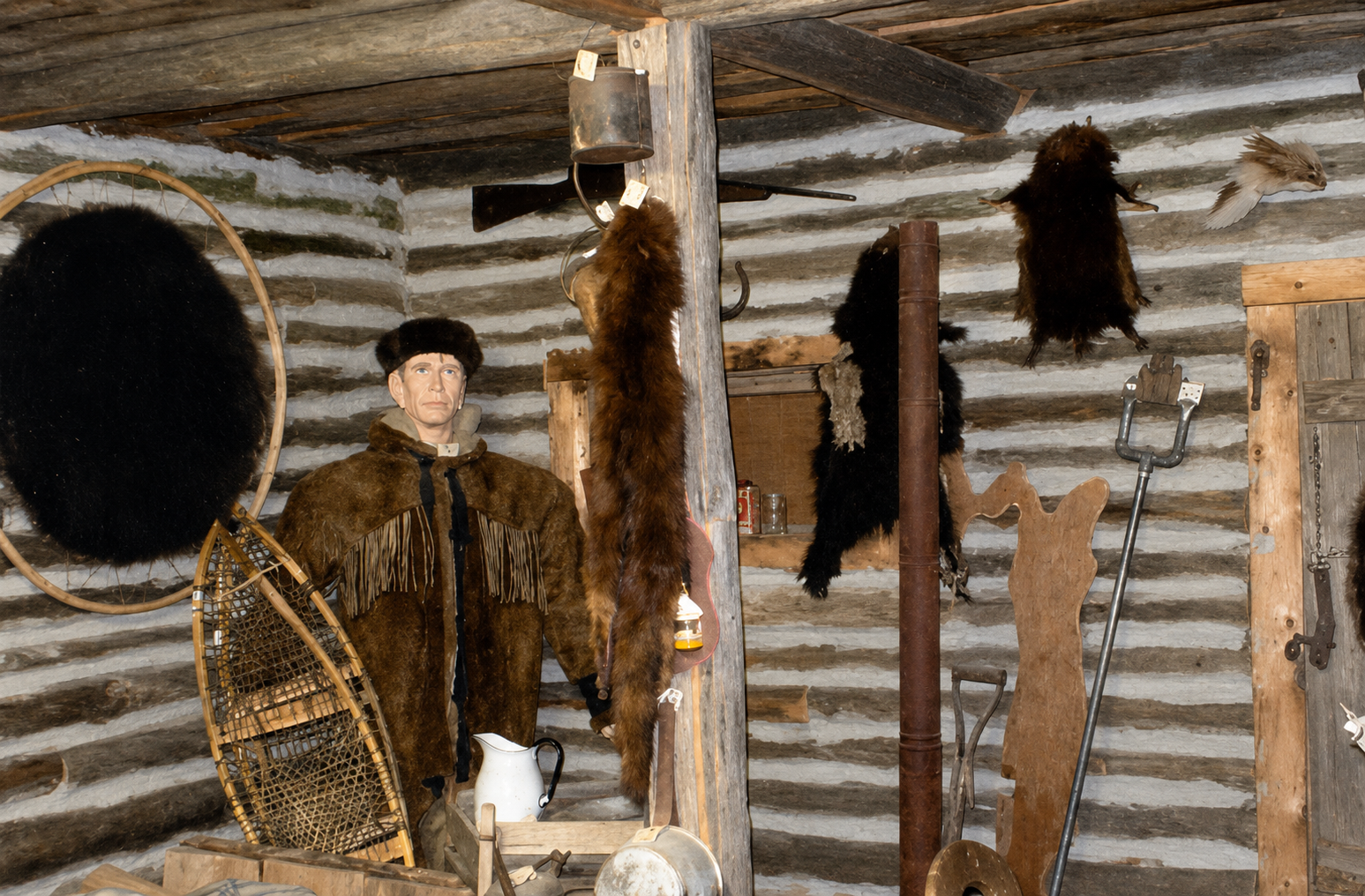
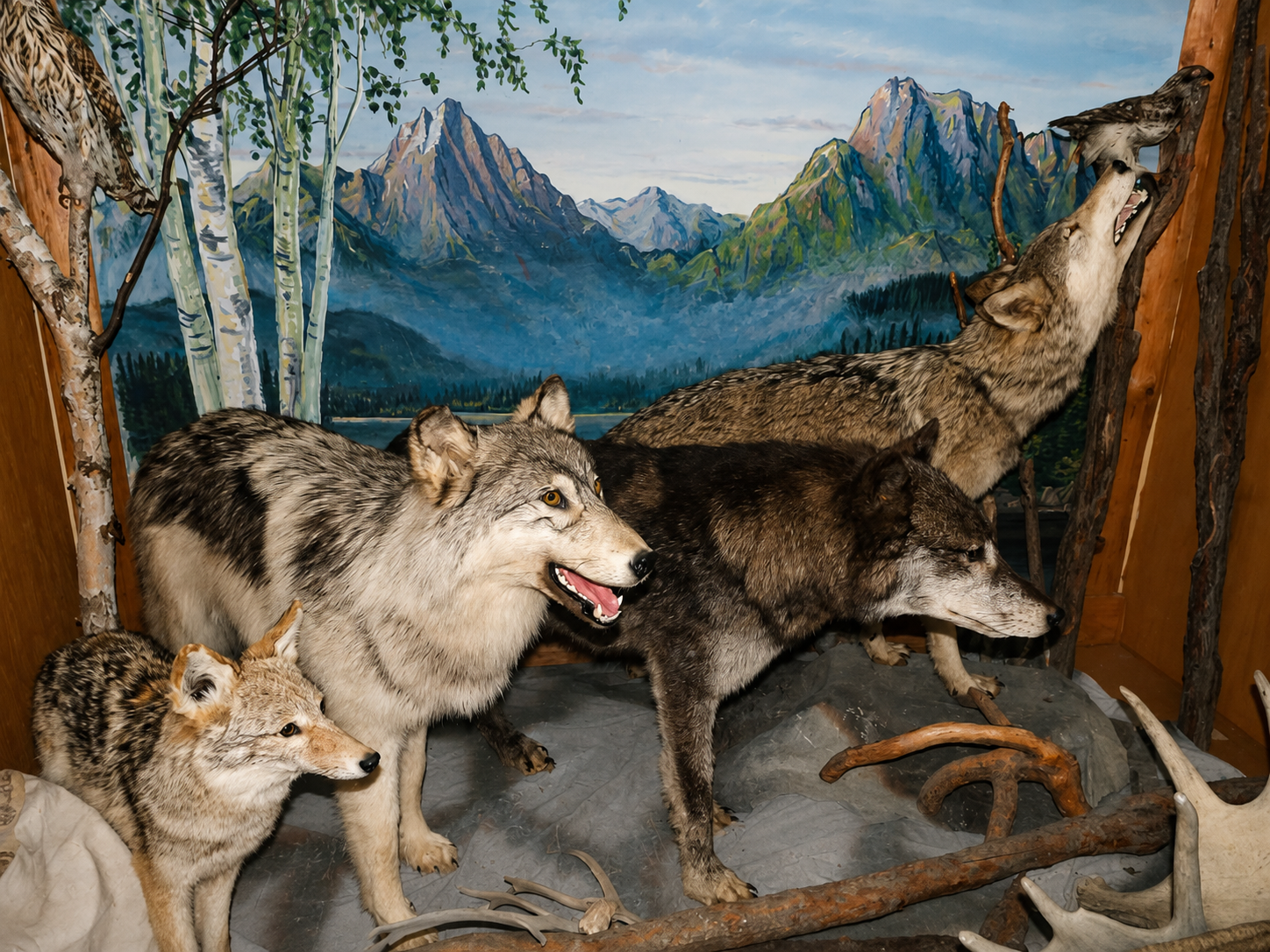
The museum houses over 6,000 artifacts illustrating the history of pioneers and missionaries who settled the Smoky River area. Exhibits span natural history, transportation (including an Autobaggan from the Northwest Territories and antique vehicles like a 1954 fire truck and a Studebaker Commander), communications, education, photography, the fur trade, hunting, trapping, and daily rural life. Unique items, such as a five-legged squirrel, captivate visitors of all ages. An additional “Auto Building” on the premises displays more machinery and vehicles.
The collection reflects the broader context of Girouxville’s history. Originally known as Fowler (a railway station name), the community was renamed in 1915 after an early settler named Giroux. The first post office opened in 1917. French-speaking settlers, many from Quebec guided by Oblate missionaries, arrived in the early 20th century to farm the fertile lands. The Cree referred to the area as “umstosee owuskee” (“Frenchman’s Land”). Girouxville became a village in 1951, with institutions like a credit union (1941) and co-op underscoring its cooperative, culturally vibrant character.
Today, the museum—managed by the village and volunteers—operates seasonally (typically late June to mid-August) and by appointment off-season. It serves as a vital cultural anchor, complemented by the village’s French heritage.
The Catholic Pilgrimage Site: Notre Dame de Lourdes Church and Grotto
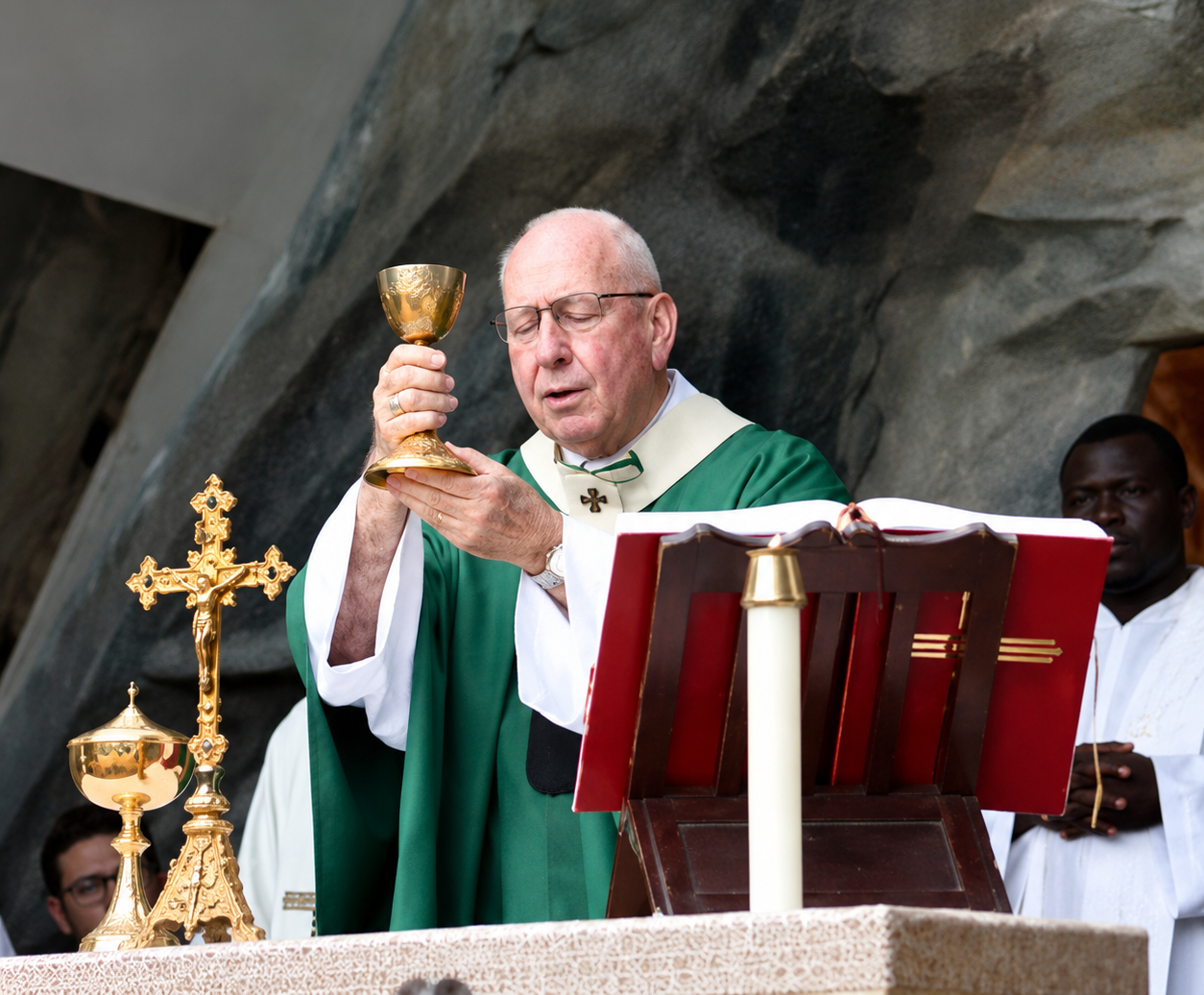
Next door to the museum stands the Paroisse Notre Dame de Lourdes (Our Lady of Lourdes Parish) and its neighboring grotto, a focal point for Catholic devotion in the Archdiocese of Grouard-McLennan. Father Clément Desrochers also played a key role here, instituting the annual pilgrimage in 1950—making it a tradition spanning more than seven decades.
The site replicates elements of the renowned Sanctuary of Our Lady of Lourdes in France, honoring the 1858 apparitions to St. Bernadette. The Girouxville grotto, located in the village center near the church at 4904 50 Ave, features statuary, paintings, reliquaries, and sacred artifacts. Many of these items are also represented or housed in the adjacent museum. The pilgrimage draws faithful from across the archdiocese, especially around the Feast of the Assumption (August 15).
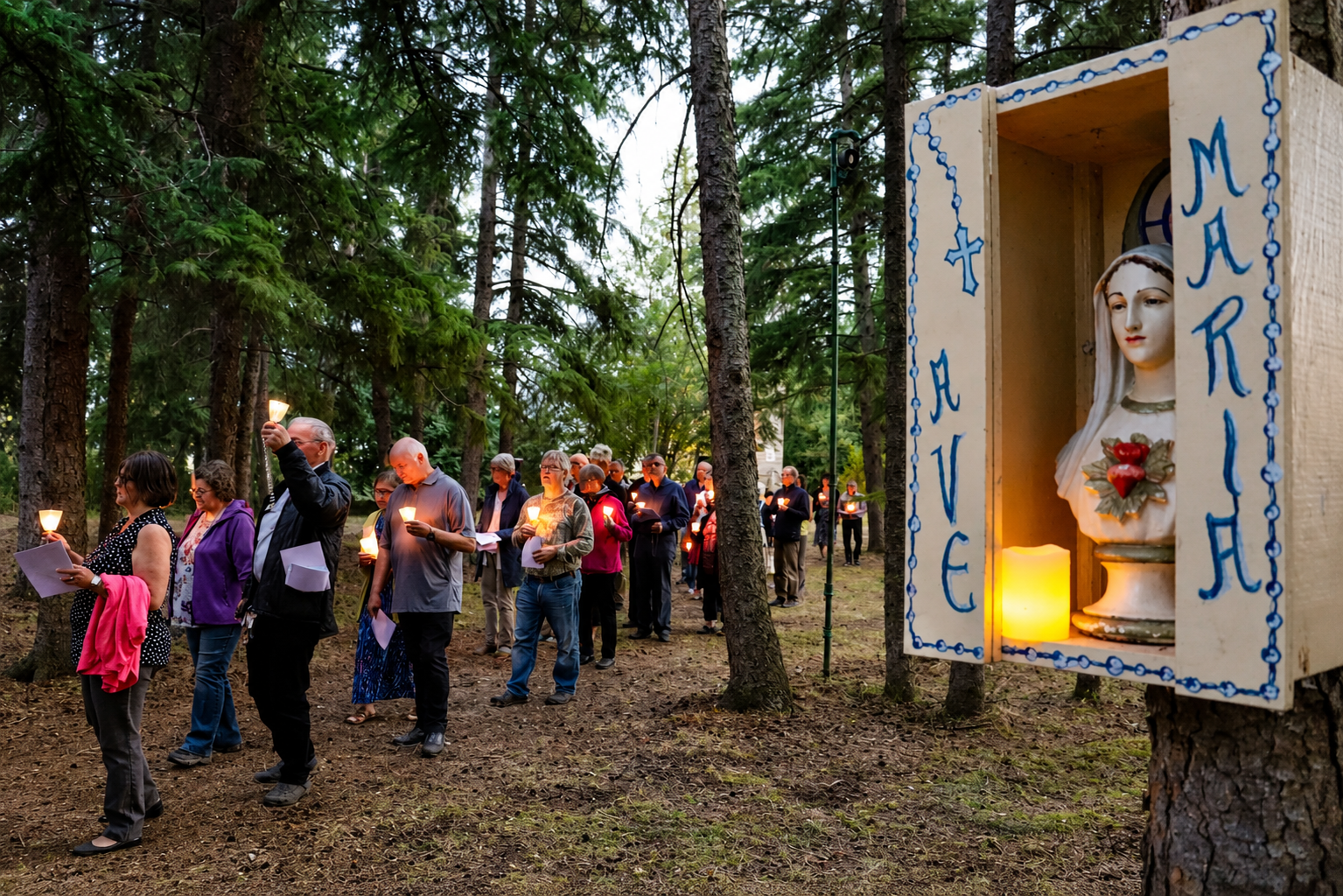
Typical events include Masses (often bilingual), rosary, reconciliation, vespers, processions (including candlelight and with the Blessed Virgin Mary statue), benediction, a healing service, and communal meals. The 2022 schedule, for example, featured a vigil Mass, movie screening, and Divine Mercy Chaplet, blending prayer, reflection, and fellowship.
The site embodies the deep faith of the French-Canadian pioneers and missionaries who built the community amid the challenges of northern settlement.

The Outdoor Stations of the Cross at Notre Dame de Lourdes
Complementing the church and grotto are the outdoor Stations of the Cross (Chemin de Croix), providing a contemplative path for pilgrims to meditate on Christ’s Passion. These stations form part of the sacred grounds, enhancing the pilgrimage experience with an immersive, open-air devotional walk amid the natural surroundings—typical of many Catholic shrines that feature a Calvary or outdoor Via Crucis.
While specific construction details for Girouxville’s stations are tied to the broader development of the grotto site under Father Desrochers’ influence, they align with the 14 traditional stations and support processions and personal prayer. Visitors and locals can walk them as part of regular devotions or during the annual pilgrimage, fostering a tangible connection to faith in a serene rural setting.
A Living Heritage
Girouxville’s museum and pilgrimage site are more than tourist stops; they are testaments to resilience, cultural preservation, and spiritual life in Alberta’s Peace Country. Father Desrochers’ dual legacy—safeguarding material history while nurturing faith—continues to draw visitors and pilgrims. Whether exploring pioneer artifacts by day or joining evening processions at the grotto, one encounters the intertwined stories of those who shaped this Francophone corner of the prairies.
For current hours, events, or visits, check the Village of Girouxville website or contact the museum directly @ 780-323-4252. In a world of rapid change, these sites quietly invite reflection on roots, community, and enduring belief.
Click 2026 Summer Bus Tour to view the remaining tours for this year.