
News
July 8, 2026 – Regular Council Meeting
Please join Council during their Regular Council meeting on July 8th @ 9:00 AM, either in person at the MD Administration Office or virtually on Teams.
Meeting ID: 220 505 280 799 48
Passcode: wi3tD3hB
For access to the agenda, click on July 8, 2026 Agenda
Open Invitation to MD #133 Businesses

You’re invited to join us at our Ratepayers’ BBQ on Thursday, July 23rd!
This is a great opportunity to connect directly with the MD Council and Staff, local ratepayers, community members, and families in a relaxed, fun atmosphere. We welcome MD businesses to:
- Set up a table or booth
- Provide representation and share information about your services
- Network with the community
- Showcase what you do
Whether you’re a small local business, a contractor, a service provider, or a larger organization — all are welcome!
Event Details:
- Date: Thursday, July 23, 2026
- Time: 11:00 AM – 2:00 PM
- Location: Nardam Campground
This is a family-friendly event with good food, entertainment, and community conversation. Come meet the people you serve and build valuable relationships!
Interested in reserving a table/booth? Send us an email to mdsr133@mdspiritriver.ab.ca or give us a call at (780) 864-3500 to secure your spot.
We look forward to seeing you there!
Hidden Gems of the Central Peace
On Friday, July 10th, the MD Transit Bus will be heading west to Cotillion Park Campground and Moonshine Lake where rolling hills meet vast forests and quiet waters, two of Saddle Hills County’s most treasured destinations offer visitors a chance to slow down, reconnect with nature, and experience the beauty of the North. Cotillion Campground and Moonshine Lake are more than just recreational sites—they are places where memories are made and the natural landscape tells stories that span generations.
Cotillion Campground: A Riverside Escape
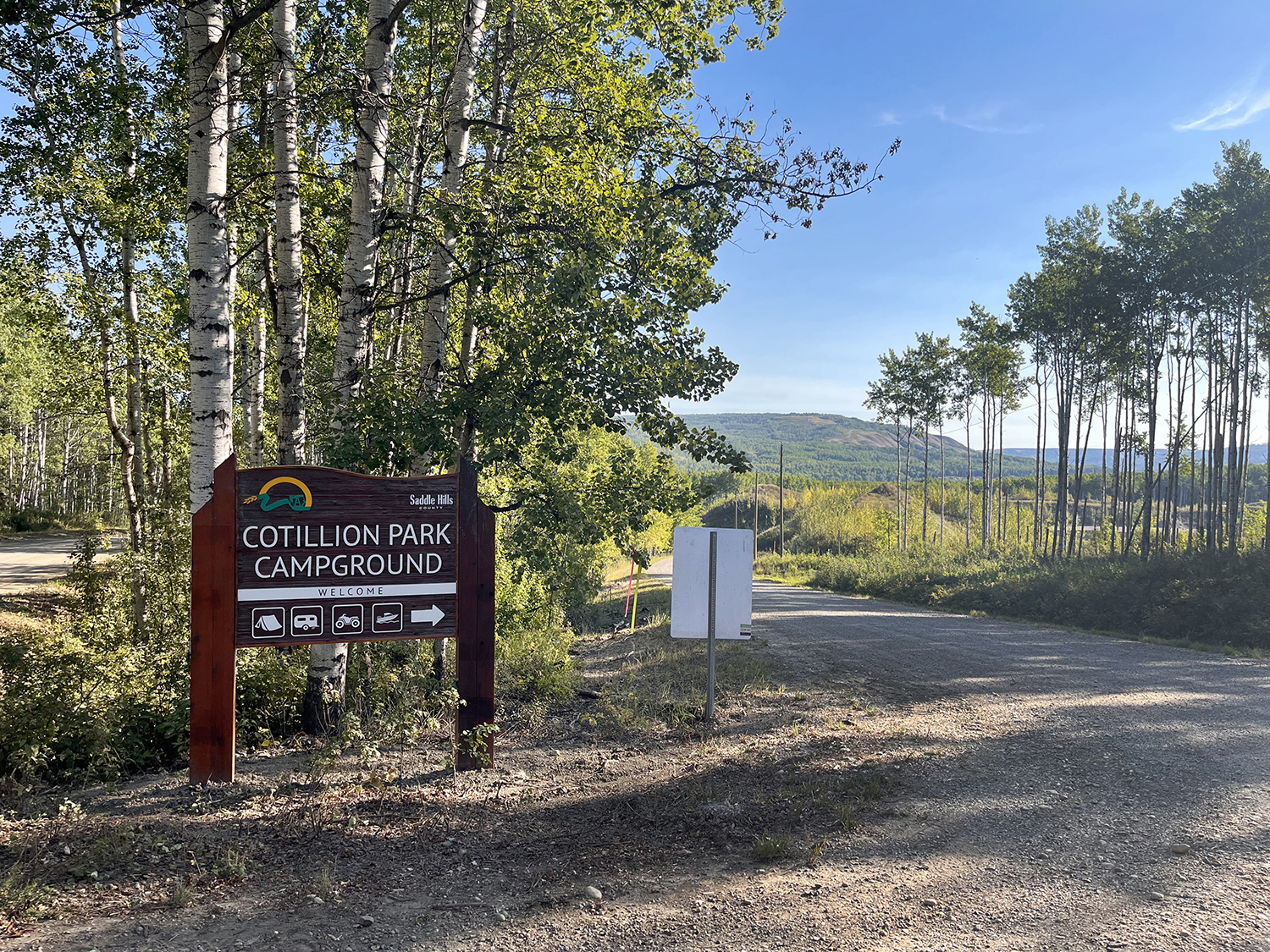
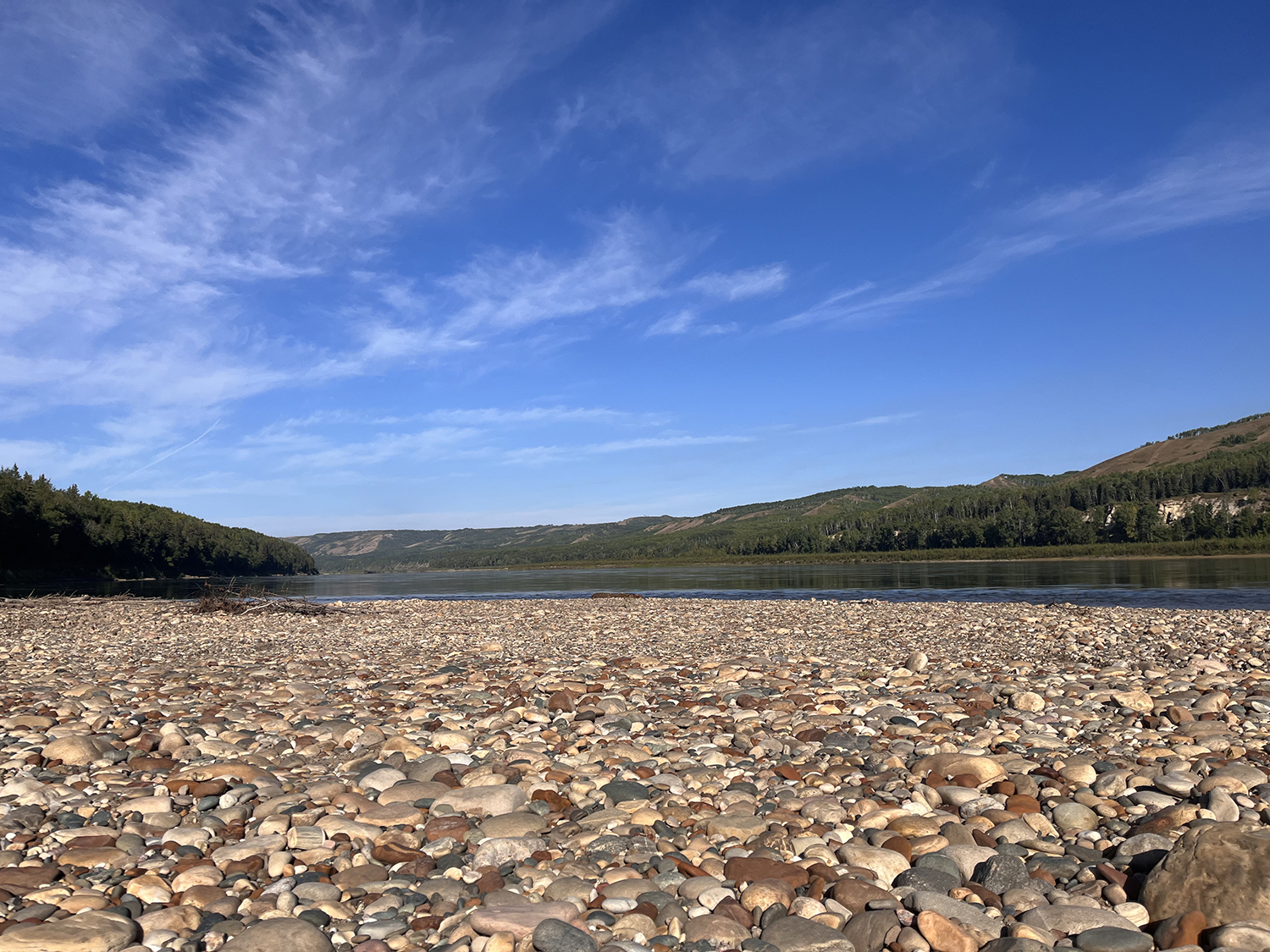
Nestled along the banks of the mighty Peace River, Cotillion Campground is one of Saddle Hills County’s most scenic treasures. The spectacular river valley views are said to be the very same that impressed explorer Alexander Mackenzie in 1793 as he travelled west in search of a route to the Pacific Ocean.
Today, visitors to Cotillion are greeted by rugged sandstone cliffs, towering forests, and abundant wildlife. Moose, deer, eagles, beavers, and even the occasional bear can often be spotted in the area, reminding guests that they are truly immersed in the wilderness.
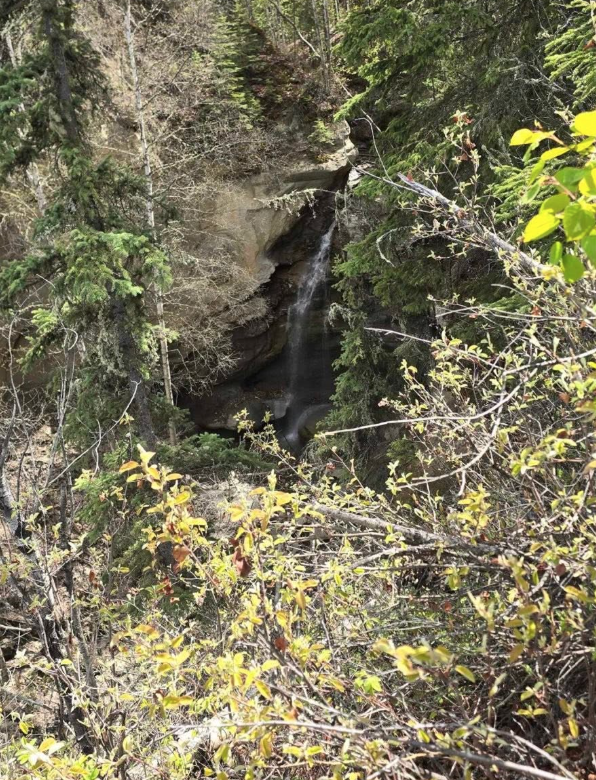
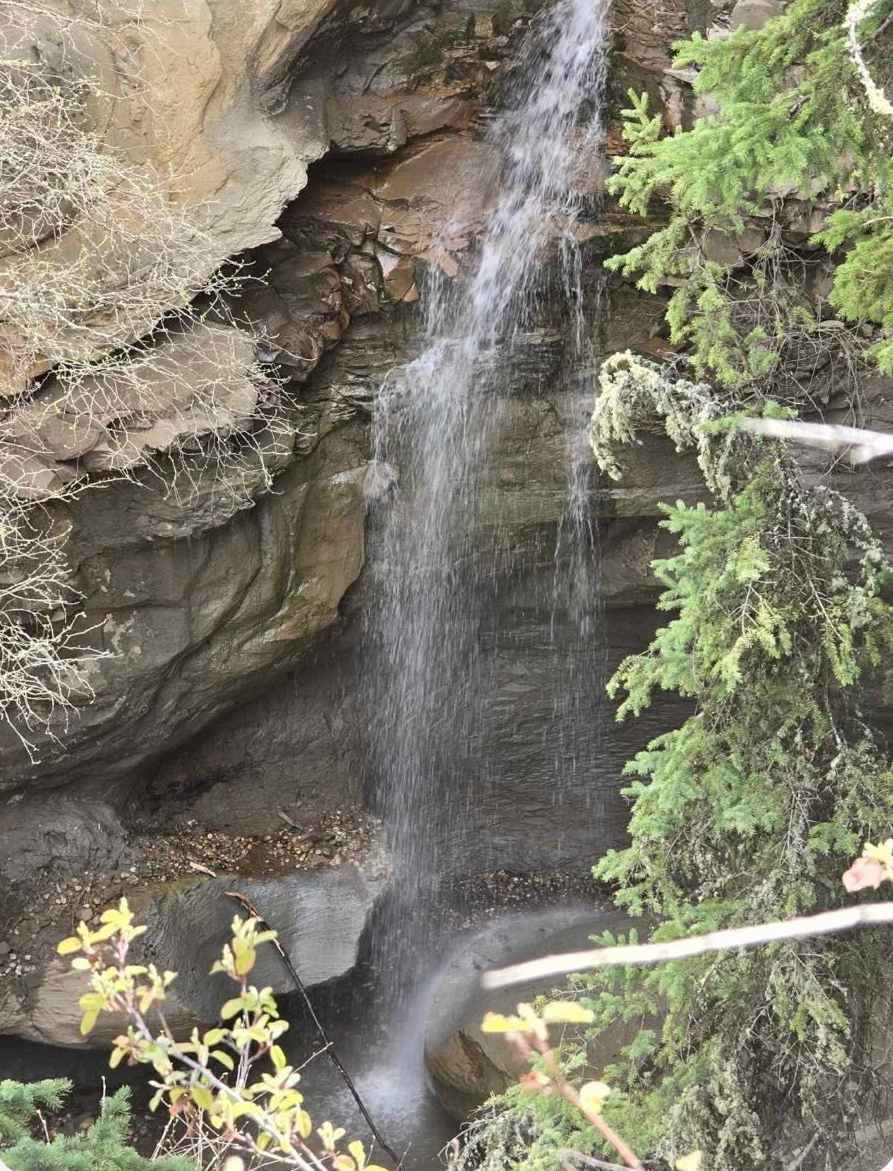
The campground itself offers a peaceful retreat with overnight campsites, powered sites, picnic tables, fire pits, and modern amenities. Adventure seekers can explore the extensive trail network by foot or ATV, launch a boat on the Peace River, cast a fishing line from the riverbank, or venture out to discover the park’s secluded waterfall hidden among the trees.
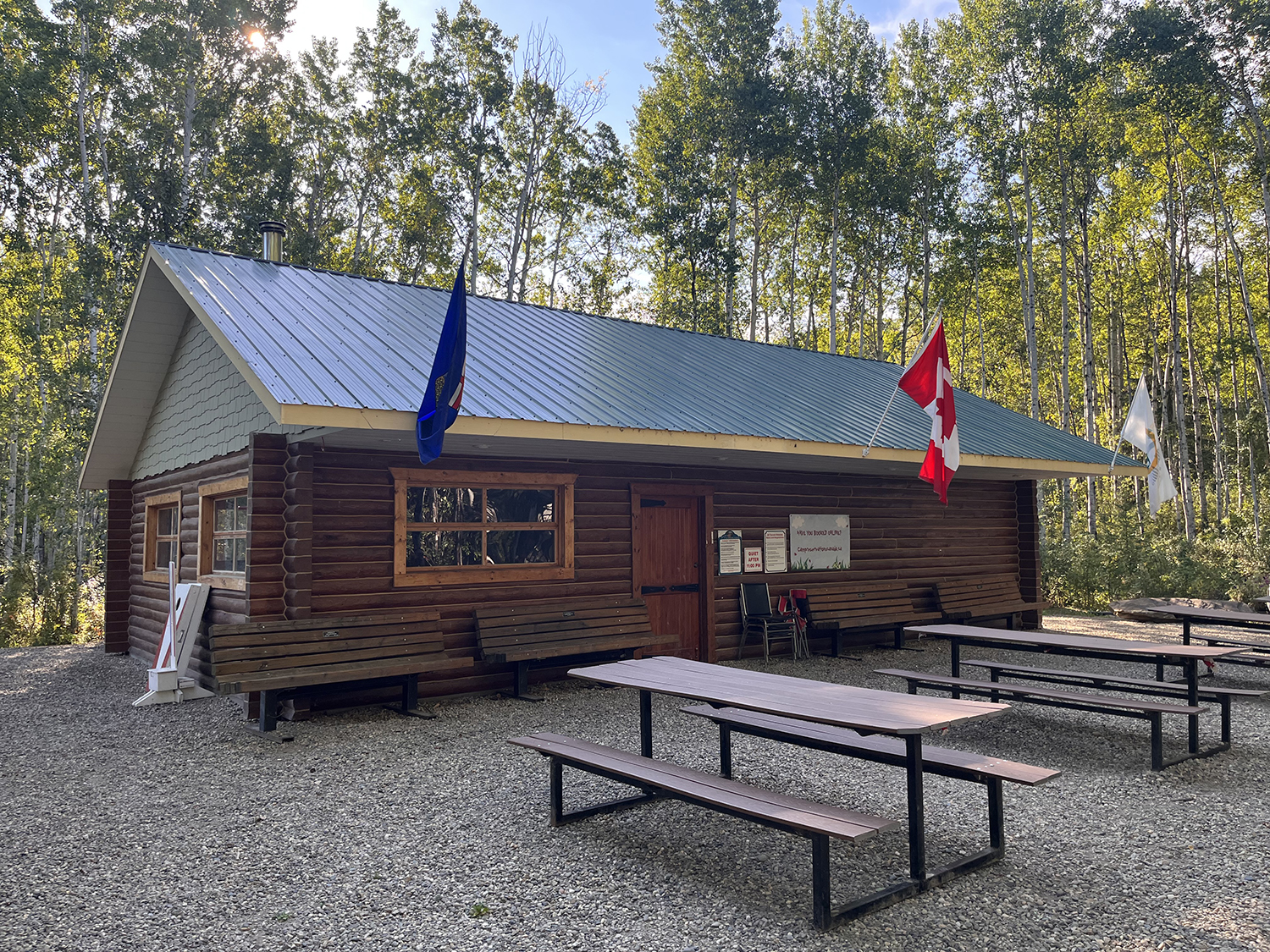
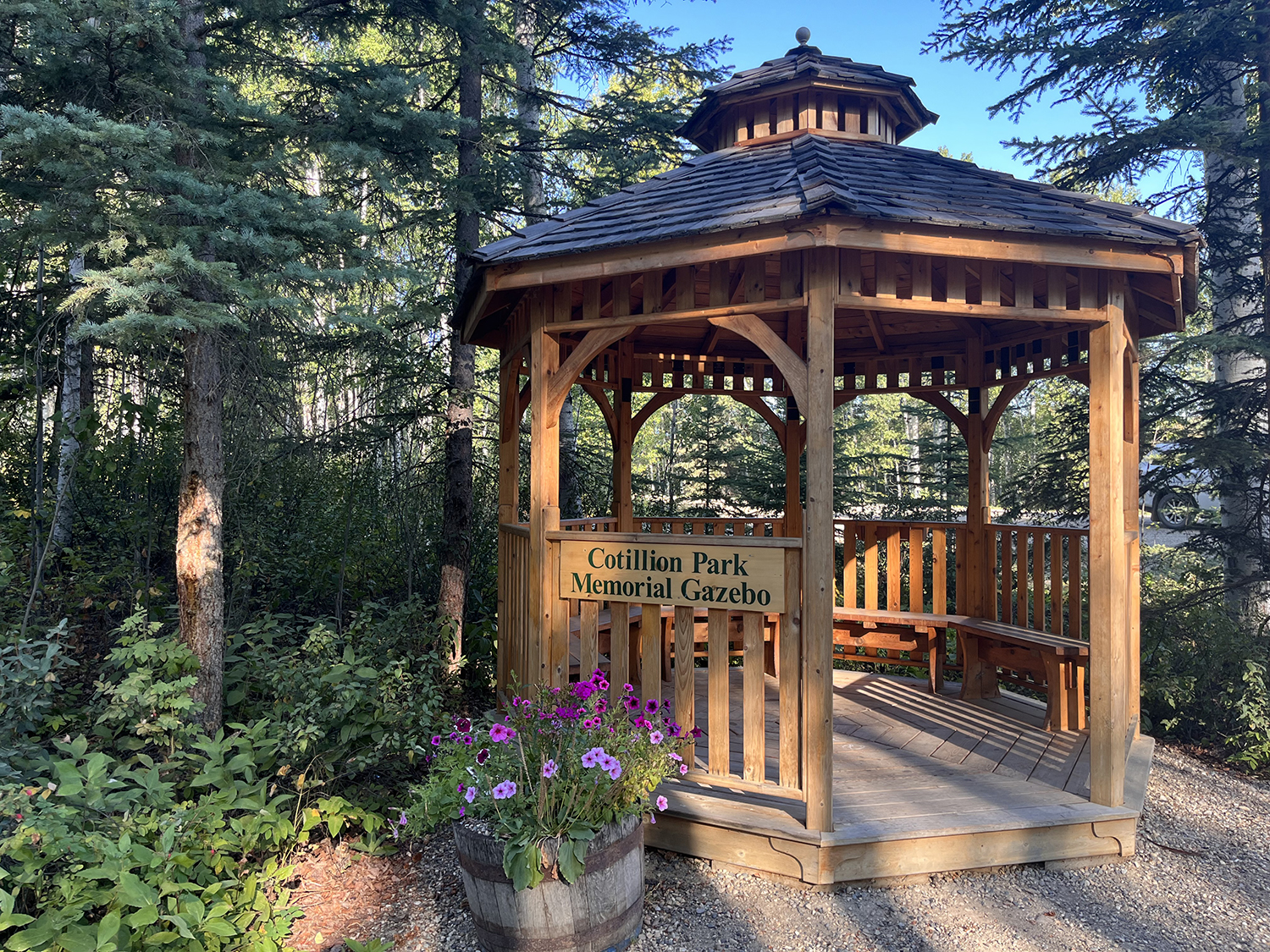
Cotillion is also a gathering place for the community. Each summer, the campground hosts the popular Music in the Park event, bringing residents and visitors together to enjoy live entertainment against the stunning backdrop of the Peace River Valley.
Moonshine Lake: One of the Jewels of Saddle Hills County
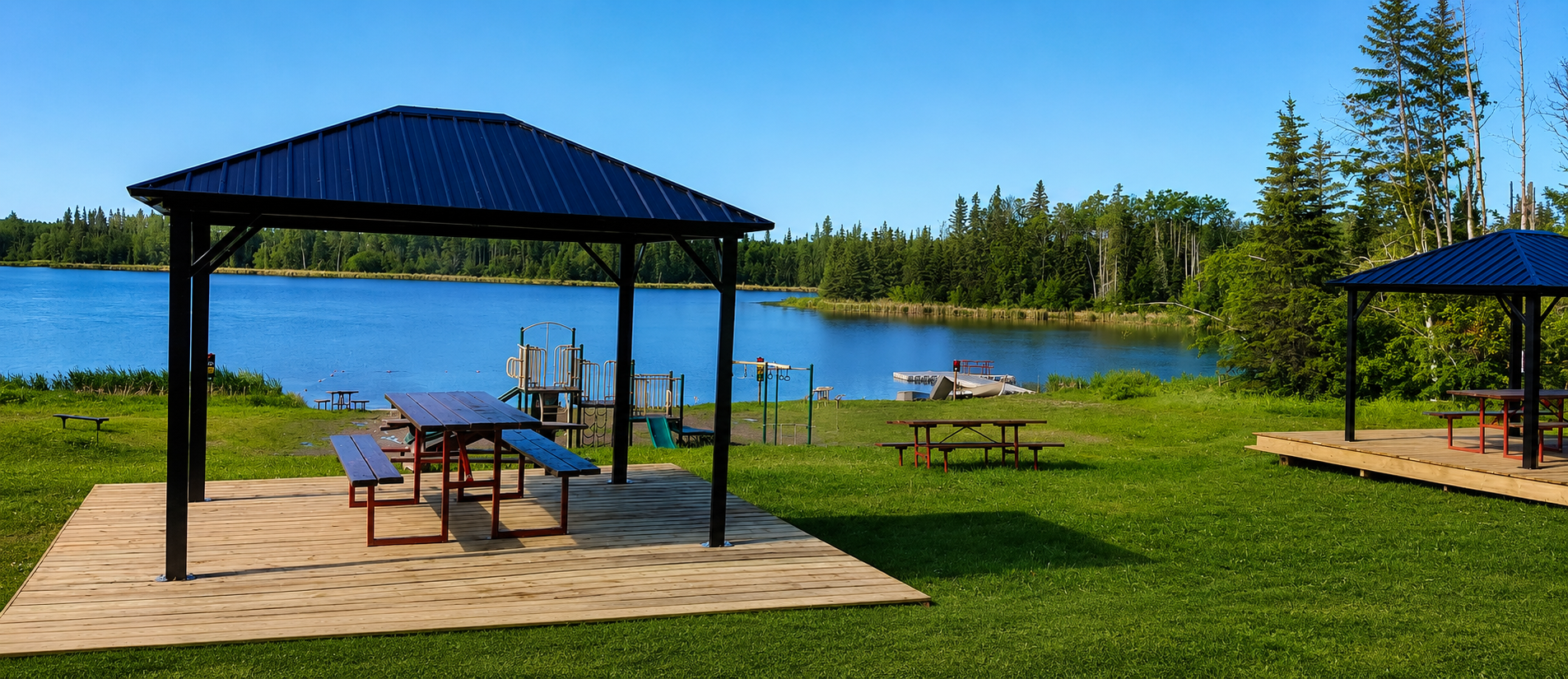
A short drive north of Highway 49 lies Moonshine Lake, a destination beloved by locals and visitors alike for its year-round recreation and breathtaking natural beauty.
The lake itself has an intriguing history. Originally known as Mirage Lake, local folklore suggests that its current name dates back to the 1920s when two men, Jack Campbell and Harry Hanrahan, accidentally spilled their homemade moonshine while climbing the lake’s steep northern bank. The name “Moonshine Lake” has endured ever since, adding a touch of mystery and legend to this peaceful setting.
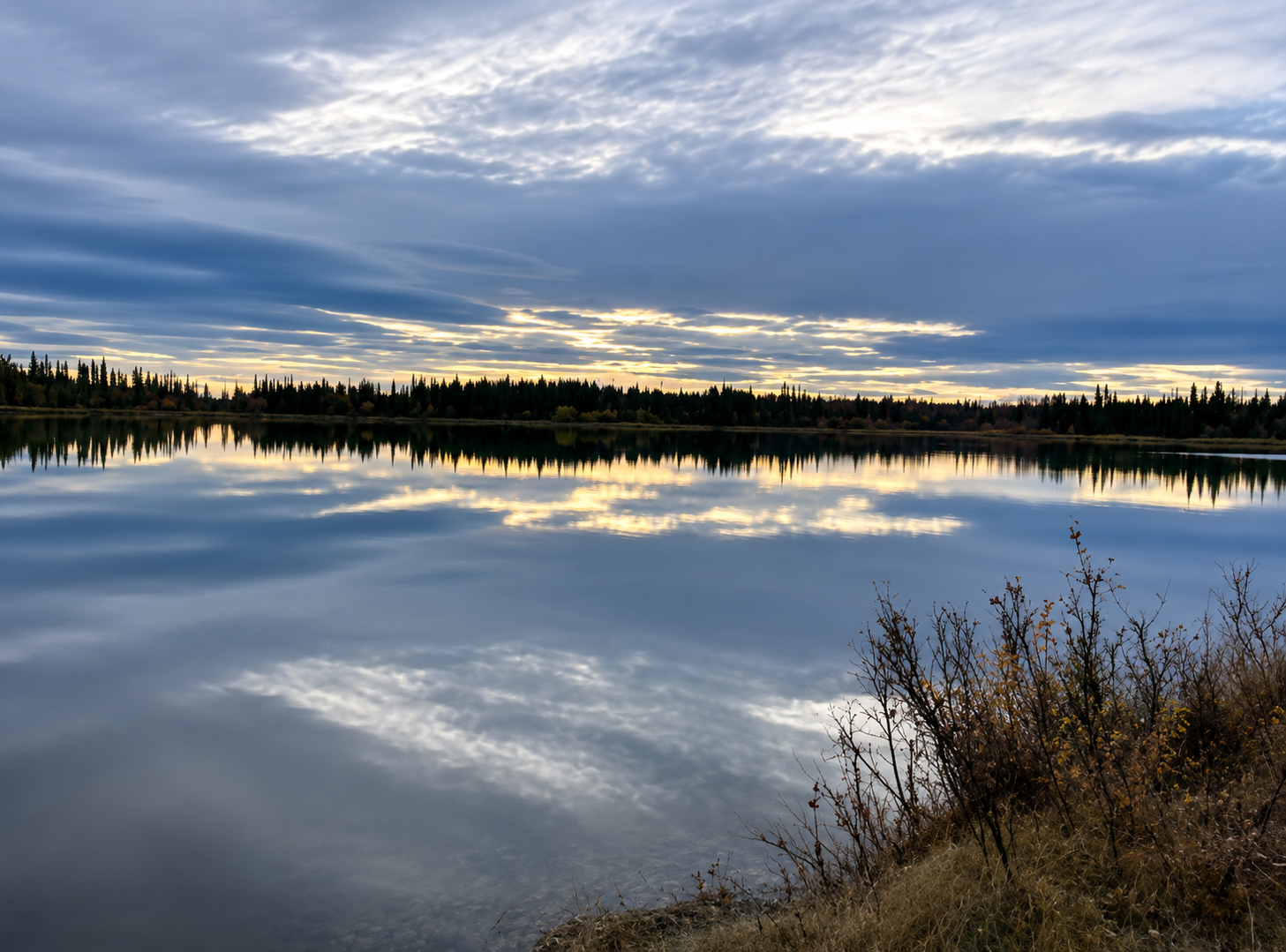
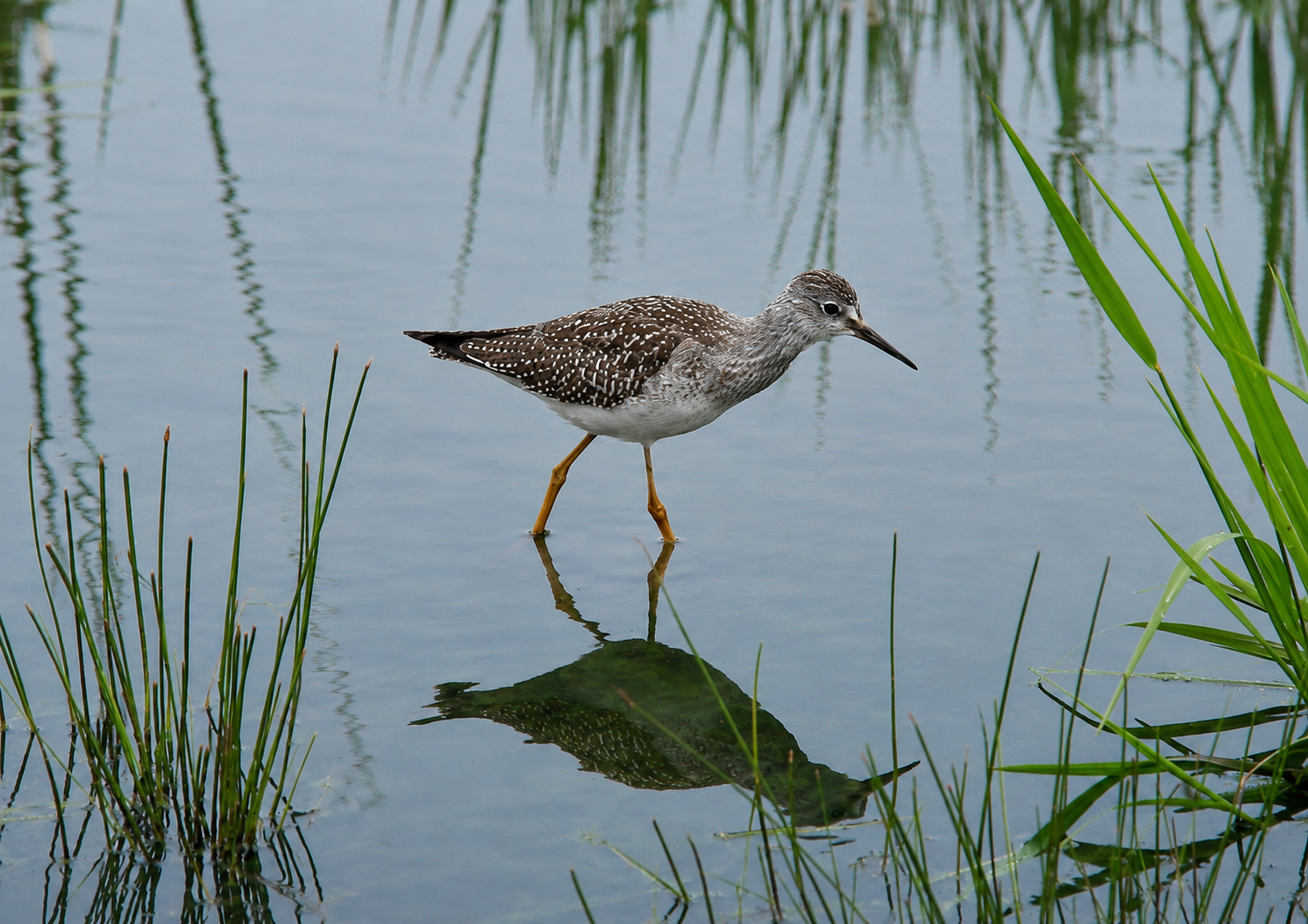
Established as a provincial park in 1979, Moonshine Lake Provincial Park has grown into one of the region’s premier outdoor destinations. Surrounded by boreal mixed-wood forests, the park offers opportunities for swimming, boating, fishing, hiking, biking, birdwatching, and camping.
The lake is regularly stocked with rainbow trout, making it a favourite destination for anglers in both summer and winter. Families enjoy the sandy beach, playgrounds, and scenic trails, while winter visitors can often be found ice fishing, cross-country skiing, or snowshoeing through the snow-covered landscape. Nearby Jack Bird Pond provides an additional opportunity for wildlife viewing and peaceful walks.
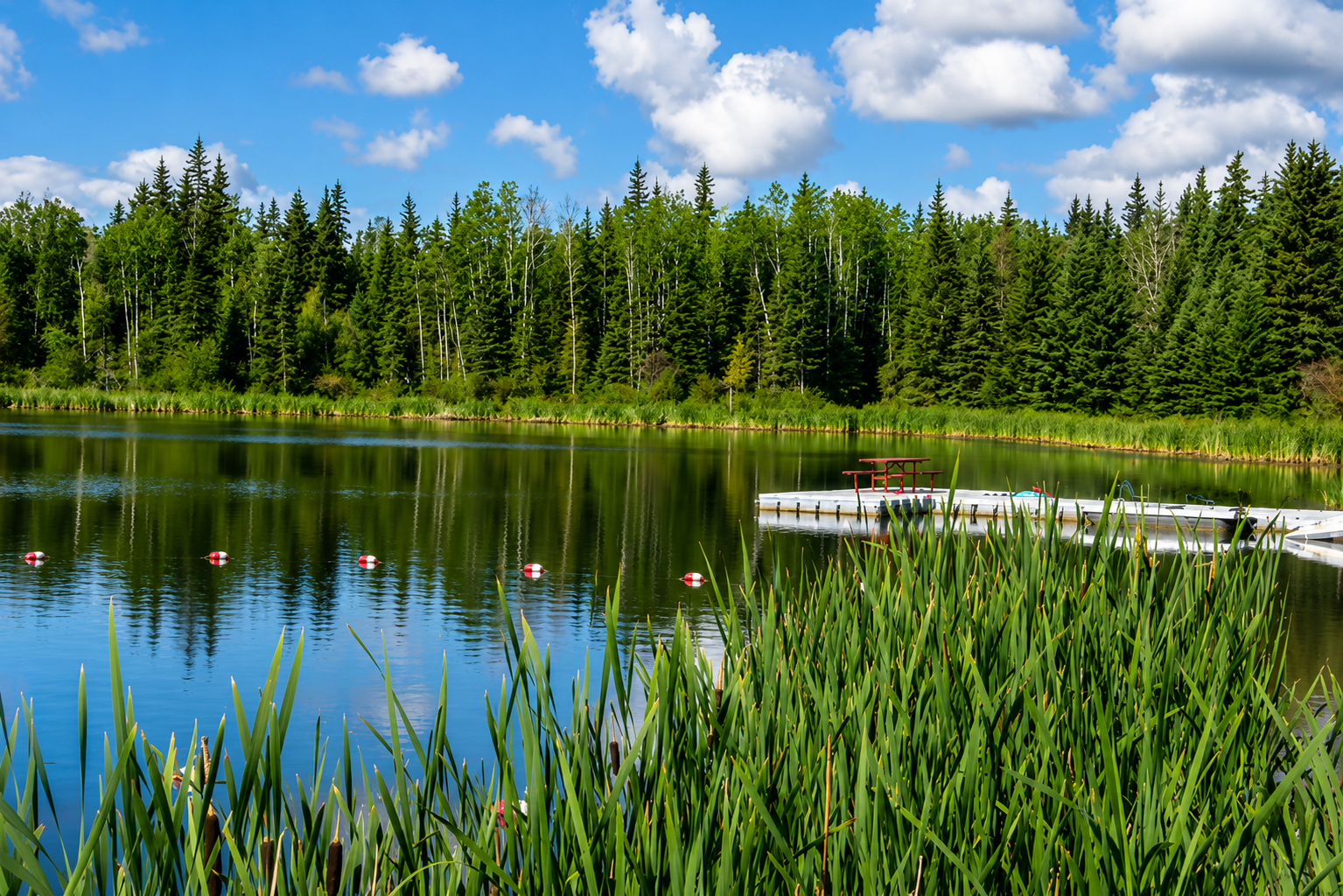

In a world that often moves too quickly, Cotillion Campground and Moonshine Lake offer something increasingly rare: the opportunity to unplug, breathe deeply, and reconnect with nature.
Whether it’s watching the sun set over the Peace River, hearing the call of loons across Moonshine Lake, or gathering around a campfire with family and friends, these destinations remind us why the wilderness of the Central Peace is so special.
For residents and travellers alike, Cotillion Campground and Moonshine Lake are not simply places on a map—they are experiences waiting to be discovered and cherished for generations to come.
Spirit of the Peace June 2026 Issue

The June 2026 issue of the Spirit of the Peace Newsletter is now available online for your reading pleasure.
Click on the following link for access: Spirit of the Peace – Issue 27 – June 2026
Understanding the Tax Increase
Council recognizes that any increase in property taxes has an impact on residents and businesses. The 2026 tax increase was approved to help maintain current municipal services, address rising operating costs, and support the long-term financial sustainability of the Municipality.
While property assessments may change from year to year, an increase in assessment does not automatically mean that the Municipality is collecting more revenue. Municipal tax rates are established annually based on the funding required to deliver services, maintain infrastructure, and meet operational needs.
Several factors contributed to the 2026 tax increase, including:
- Rising costs for fuel, utilities, road maintenance materials, equipment repairs, and other day-to-day municipal operations.
- Significant increases in the cost of replacing and maintaining municipal equipment and infrastructure.
- Higher insurance costs for municipal buildings and equipment.
- Increased financial responsibility for wildfire response, including costs that municipalities may be required to cover before provincial assistance becomes available.
- Continued increases in provincially mandated requisitions, such as the Alberta Education Property Tax and the Police Funding Model, which are established by the Province and are outside of Council’s control.
- The need to rebuild municipal reserves to help fund future infrastructure replacement, respond to emergencies, and maintain long-term financial stability.
Council remains committed to responsible financial management while continuing to provide the essential services that residents rely on every day. Through careful long-term planning and prudent financial decision-making, the Municipality can protect and maintain infrastructure, sustain service levels, and reduce the likelihood of larger tax increases in the future.
Residents with questions regarding their property taxes are encouraged to contact the Municipal Office at (780) 864-3500.
Residents with questions regarding their property assessments are encouraged to contact the Property Assessor at Northern Sunrise County by calling (780) 624-0013.
For more information, read the Understanding Property Tax & Requisition Breakdown.
Notice of Development Permit Approval
2026 Property Taxes are on their way
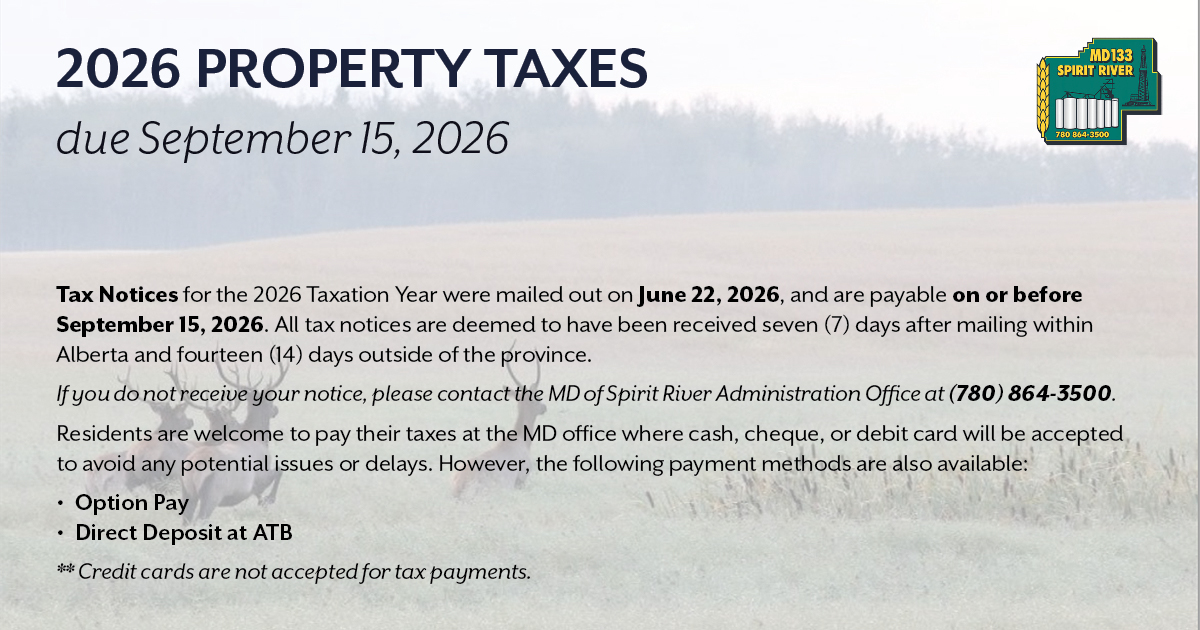
For more information, go to Taxes & Assessments.
June 24, 2026 – Regular Council Meeting
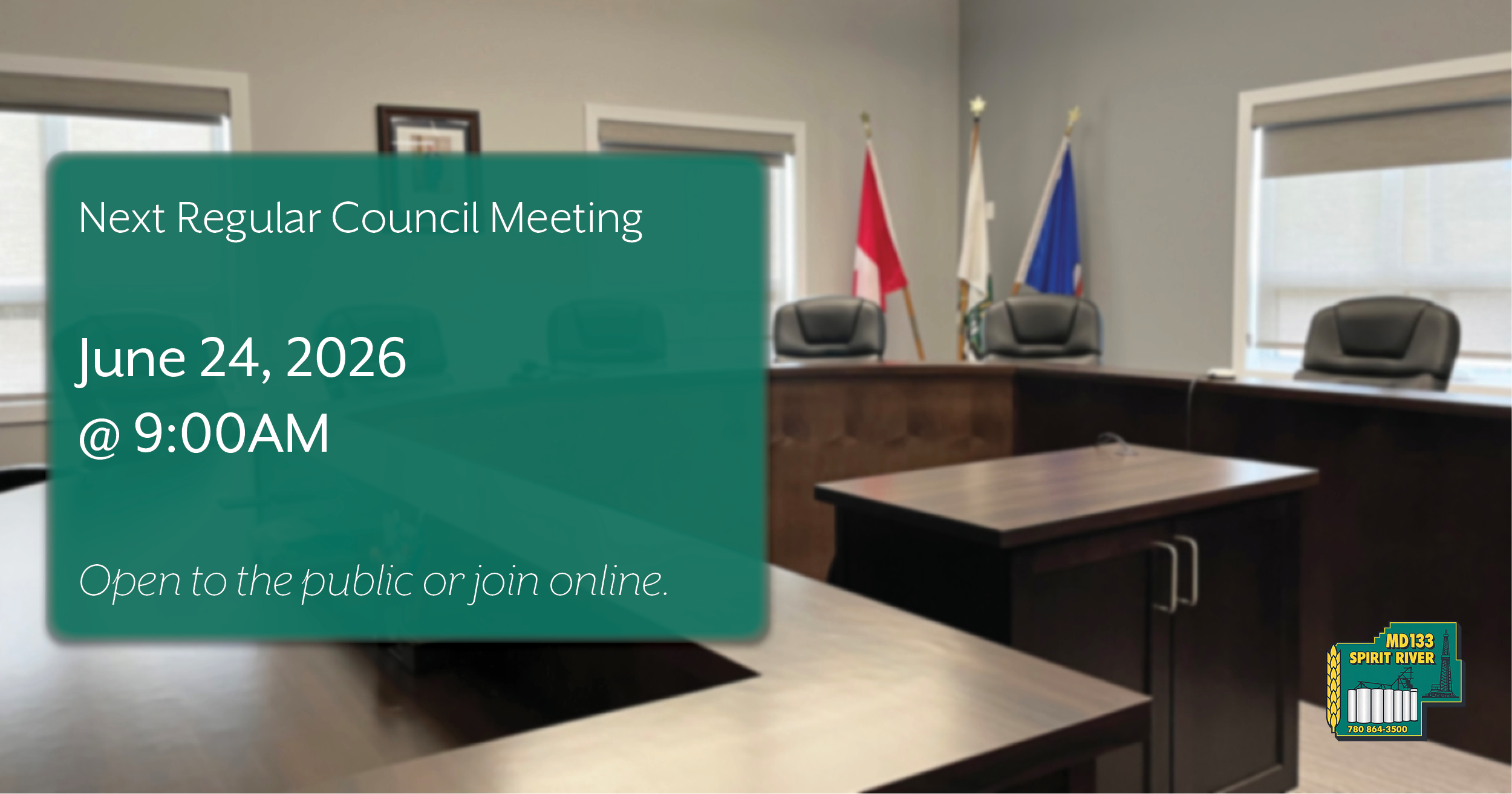
Please join Council during their Regular Council meeting on June 24th @ 9:00 AM, either in person at the MD Administration Office or virtually on Teams.
Meeting ID: 265 752 763 517 63
Passcode: WD2yp3CR
For access to the agenda, click on June 24, 2026 Agenda
Alberta Energy Rebate
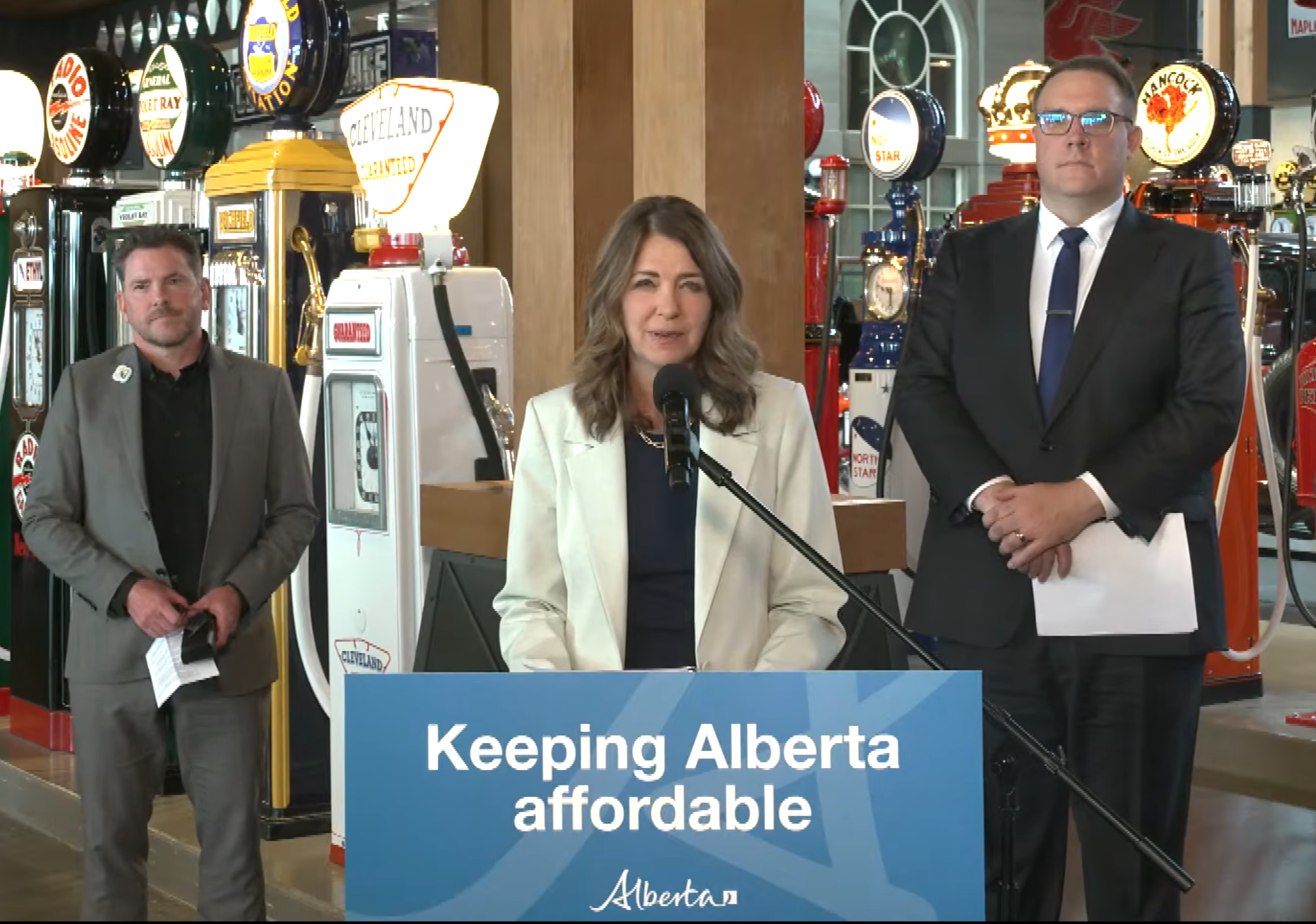
Alberta Energy Rebate Applications Open July 1
Beginning July 1, 2026, eligible Albertans can apply for the new Alberta Energy Rebate, a one-time payment designed to help offset the rising costs of fuel, groceries, utilities, and other household expenses.
The rebate will provide direct financial relief to approximately 3.4 million Albertans, ensuring that elevated energy revenues are returned to residents in a flexible way that allows families to use the funds where they need them most.
Who Is Eligible?
To qualify for the Alberta Energy Rebate, applicants must:
- Be an Alberta resident
- Be 18 years of age or older
- Have filed a 2025 income tax return
- Have a household income of $225,000 or less
For the purposes of the rebate, a household is defined as either:
- One individual living alone, or
- Two individuals who are married or in a common-law relationship
Adults aged 18 and over who live at the same address but are not married or common-law partners are considered separate households and may apply individually. This includes:
- Adult children
- Roommates
- Other adult family members
Rebate Amount
Eligible Albertans can receive:
- $100 per eligible adult
- Up to $200 for eligible two-adult households
Additional eligible adults aged 18 and older living in the same residence may also qualify for their own $100 payment if they are considered separate households under the program guidelines.
The rebate is intended to provide flexible support that can be used for any household need, including fuel, groceries, rent, utilities, or other living expenses.
How to Apply
Applications will be accepted through a secure online portal beginning:
July 1, 2026
The application period will remain open until:
September 30, 2026
Residents are encouraged to apply as early as possible once the portal opens.
Automatic Enrollment for Some Albertans
Certain Albertans will not need to apply and will automatically receive their payment, including those receiving:
- Alberta Seniors Benefit
- Assured Income for the Severely Handicapped (AISH)
- Alberta Disability Assistance Program (ADAP)
- Income Support
Important Information
- The Alberta Energy Rebate is not taxable.
- The payment does not need to be reported to the Canada Revenue Agency.
- Receiving the rebate will not affect eligibility or benefit amounts under AISH, ADAP, Income Support, the Alberta Seniors Benefit, or federal seniors’ programs.
Why the Rebate Is Being Offered
The Alberta government introduced the Energy Rebate in response to elevated energy prices and the increased costs many households are experiencing. Rather than providing relief through fuel tax reductions alone, the rebate delivers direct support that residents can use according to their individual needs.
The program is expected to provide greater financial benefit to Albertans than previous fuel tax relief measures, while ensuring support reaches seniors, transit users, individuals with disabilities, remote workers, and others who may not directly benefit from lower fuel prices.
Learn more by clicking on the Alberta Energy Rebate video – Q & A period starts at the 16:20 mark:
For additional information and application details, visit the Alberta Energy Rebate portal when it opens on July 1, 2026.